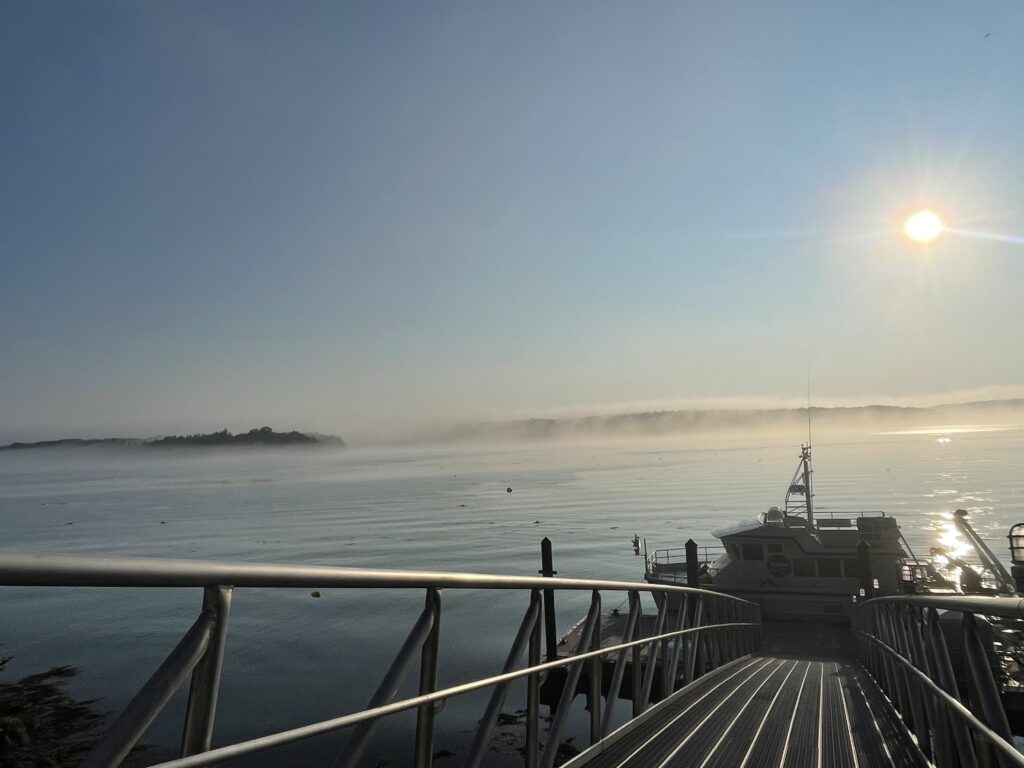
I had the incredible fortune to take the two-week intensive Karen A. Steidinger Marine Harmful Algae Taxonomy course offered through Bigelow Laboratory in Boothbay, ME last month. Bigelow Laboratory for Ocean Sciences is an independent, nonprofit research institute committed to advancing science and finding ocean solutions. Bigelow studies the foundation of the global ocean health in order to help inform and improve the future for all life on earth. In addition to research, Bigelow also offers professional services, education, and professional development opportunities.
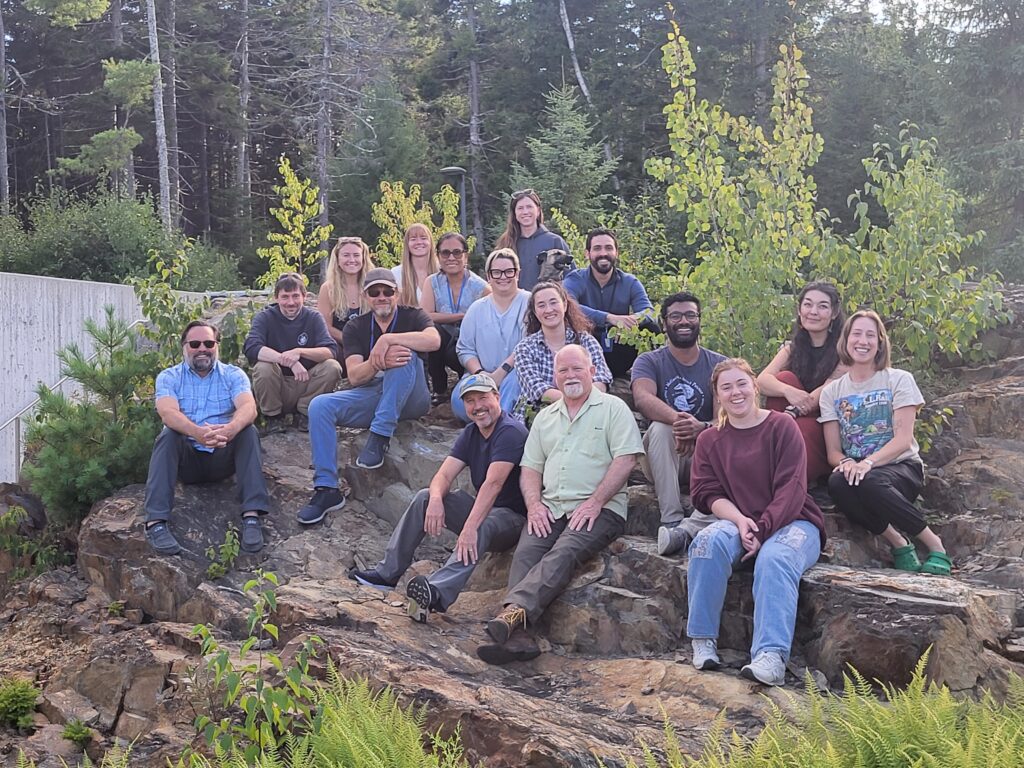
The Harmful Algal Bloom (HAB) course I took was one of two professional development courses offered through the lab, the other being an Algal Culturing Techniques course. For this course, there were 13 of us students (14 if you count my dog, Rieko!) and 3 instructors, so we had a ton of hands-on and collaborative learning opportunities. Considered one of the premier courses for phytoplankton taxonomy, the HAB training was created and taught for many years by Karen Steidinger, a world-renowned algal taxonomist and namesake of the genus Karenia, a group of particularly harmful and toxic dinoflagellates. While she no longer teaches the course, we had the privilege of learning from three global experts representing Florida International University, Florida Gulf Coast University, and the Roscoff Biological Station in northern France. It also enabled me to make some great connections with others in the industry. My classmates ranged from students and post-docs to career taxonomists and regulators, and all had a unique perspective to add to the flow of the course, including tips and tricks I would not have gotten anywhere else!
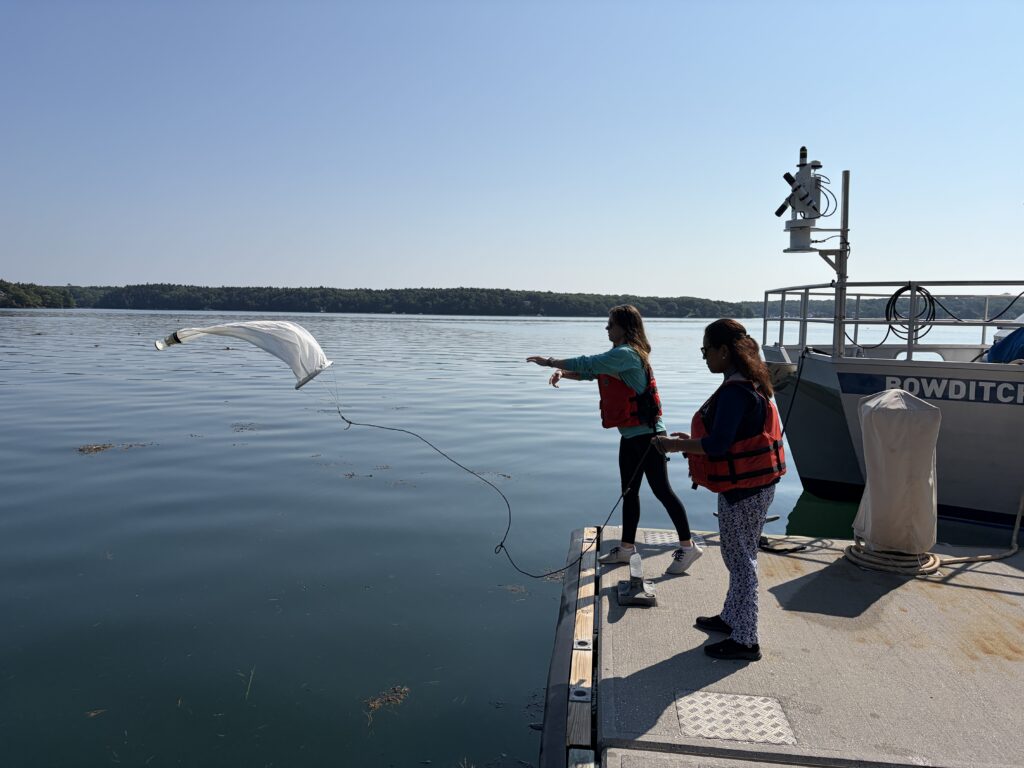
We went over 150+ HAB species and got to use the lab’s robust facilities. This course exposed us to single-cell amplifications, gene sequencing, Scanning Electron Microscope sample prep and photography, fluorescence and flow-through systems, and we were also able to experience some of the challenges and processes for maintaining extensive live cell cultures of harmful or focus species.
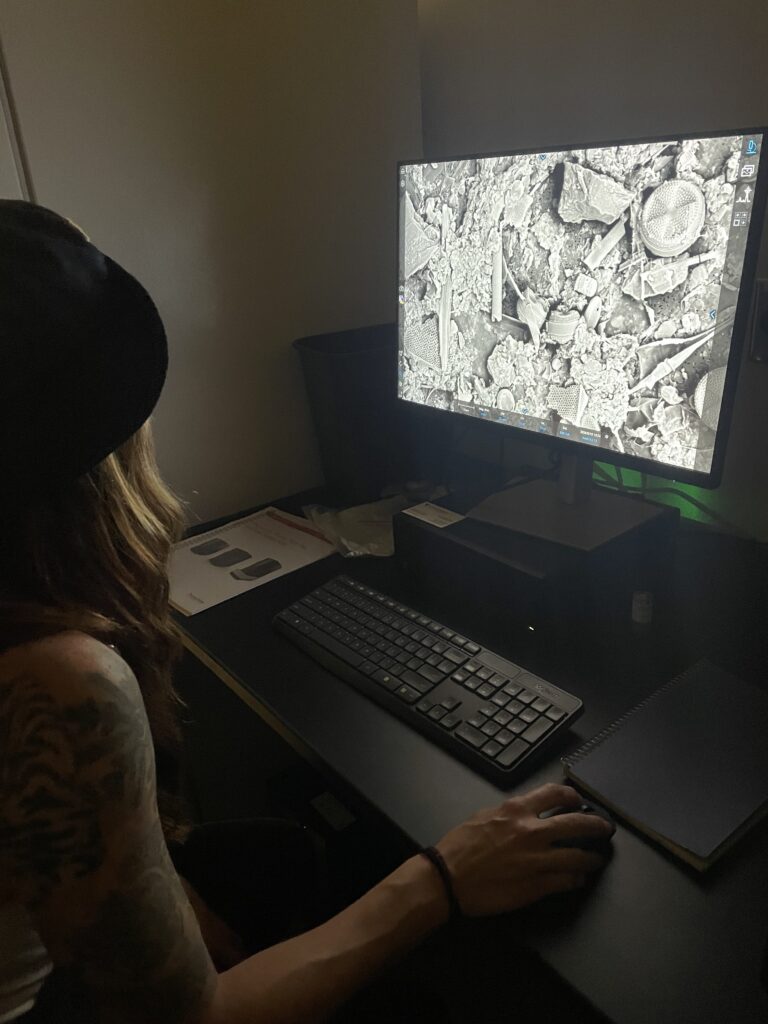
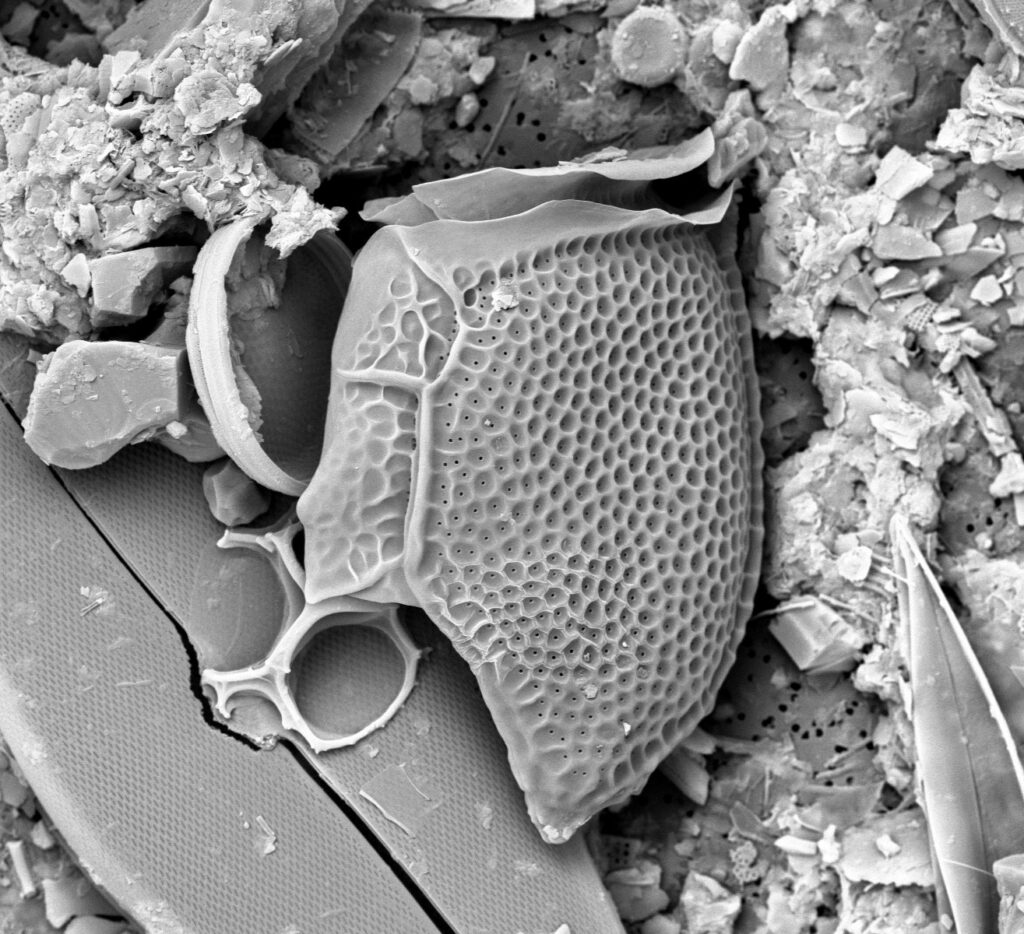
From this course and exposure to world class practices at the frontline of HAB monitoring, I’ve been able to bring back a ton of helpful knowledge to improve our own processes and systems for sample treatment and processing. This was a “pinch myself” couple of weeks; I’m incredibly grateful for the opportunity and would recommend it to any phytoplankton taxonomist out there regardless of experience or skill level.
Normandeau is committed to investing in its workforce in ways like advanced education, professional trainings and certifications, etc. If you’re interesting in joining us, keep an eye out on our Careers page for open opportunities as they become available.